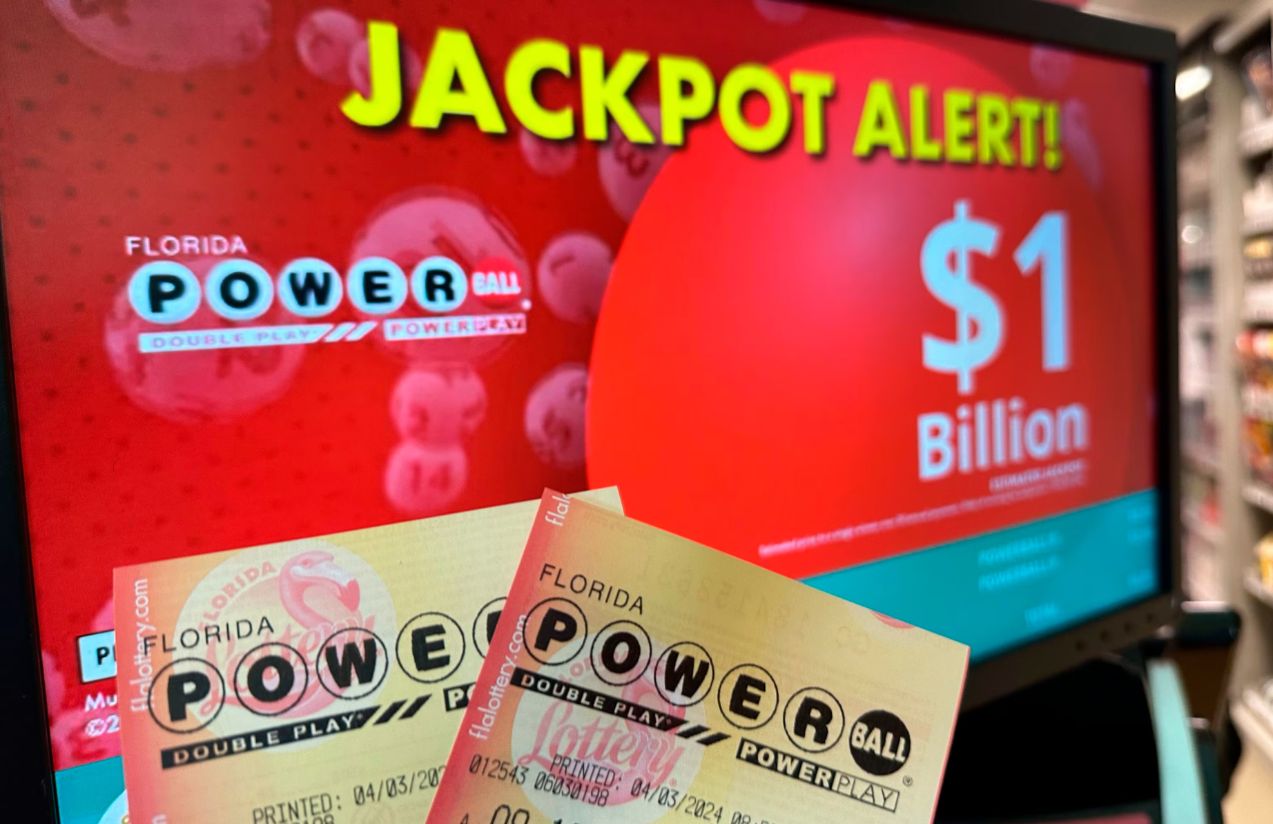
The $1 Billion Club: Tracking Powerball’s Record-Breaking Season
The world of lottery games has always been captivated by the dream of a life-changing win, but recent seasons have seen that dream reach astronomical new heights. Powerball, the multi-state lottery behemoth operated by the Multi-State Lottery Association, has entered a remarkable era of colossal prizes, repeatedly smashing records and capturing global attention. This extraordinary run has unofficially birthed “The Billion Dollar Club,” a rare echelon of jackpots that has seen multiple entries in a surprisingly short timeframe. From the historic $1.04 billion win in Illinois to a relentless series of rollovers culminating in prizes well over $200 million, the current season has redefined what is possible in lottery gaming, creating a fever pitch of anticipation with every drawing.
A Season of Unprecedented Rollovers
The mechanics of Powerball are simple yet potent in generating enormous prizes. To win the jackpot, players must match all five white balls and the red Powerball. As rollovers occur—when no ticket matches all numbers—the jackpot climbs, fueled by surging ticket sales across the 45 participating states, the District of Columbia, Puerto Rico, and the U.S. Virgin Islands. The recent season has been characterized by an unusual frequency of these rollovers, creating a perfect storm of public engagement and rapidly escalating prize pools. This phenomenon isn’t merely about luck; it’s a mathematical and psychological dance where increasing odds of a rollover, due to the sheer number of combinations, coincide with massive participation. International observers, from fans of EuroMillions to followers of Australia’s Oz Lotto, have watched in fascination as Powerball has consistently pushed the envelope, setting a new benchmark for lottery jackpots worldwide.
The Psychological Pull of the Billion-Dollar Mark
Crossing the billion-dollar threshold is more than a numerical milestone; it represents a profound shift in the public consciousness. A jackpot of $200 million is transformative, but a jackpot ten figures long enters the realm of the almost mythical. It attracts not only regular players but also creates what analysts call “occasion players”—individuals who only participate when the headline number becomes irresistibly large. This triggers a self-perpetuating cycle: more tickets sold increase the jackpot size further, which in turn draws even more players. The $1.04 billion win served as a powerful testament to this effect, proving that such a figure was not a one-time fluke but a new potential reality in the lottery landscape.
Comparing International Jackpot Giants
While Powerball’s recent achievements are staggering, it exists within a competitive global arena of massive lottery prizes. Spain’s El Gordo, known for its unique Christmas draw structure, offers a different approach to wealth distribution. Meanwhile, EuroMillions, spanning several European nations, has also awarded jackpots well into the hundreds of millions. The UK National Lottery and Italy’s SuperEnalotto are other perennial contenders. What sets Powerball’s recent run apart is the sustained frequency of its ultra-high jackpots, creating a continuous narrative of record-chasing that has few parallels. This season has firmly positioned Powerball at the very forefront of the conversation when discussing the world’s largest lottery prizes.
Behind the Scenes: The Anatomy of a Record Jackpot

Creating a billion-dollar jackpot is a complex operation that extends far beyond the drawing machine. The Multi-State Lottery Association coordinates a vast logistical network involving thousands of retailers, complex prize liability management, and a relentless public relations effort. When a jackpot soars, security protocols are intensified, and the systems handling the torrent of ticket sales—often exceeding millions per hour—are stress-tested to their limits. The process for claiming a prize of that magnitude, as seen with the Illinois winner, involves layers of financial planning and legal oversight, often with the winner opting for the cash lump-sum option, which for the $1.04 billion prize was an estimated $600 million before taxes. This behind-the-scenes machinery is as critical to the success of the game as the numbered balls themselves.
Strategies and Realities for Players
In the fervor of a soaring jackpot, players often seek strategies to improve their odds. It is crucial to understand that every combination of numbers in Powerball has an exactly equal chance of being drawn. Whether a ticket is a Quick Pick generated by the terminal or a set of personally chosen numbers like birthdates, the mathematical probability remains the same—approximately 1 in 292.2 million for the jackpot. Some seasoned players advocate for avoiding commonly chosen number patterns, such as calendar dates, which can only use numbers 1-31, to reduce the chance of having to share a jackpot. Others simply emphasize the importance of consistency and setting a strict entertainment budget. Purchasing tickets from a retailer with a history of selling winning tickets, like the famed Jennifer D’s Sweepstakes in Illinois, is a popular superstition, though it holds no statistical advantage.
The Importance of Playing Responsibly
With jackpots reaching such dizzying heights, the temptation to overextend financially can be significant. A key tip from long-time players and financial advisors alike is to treat lottery participation strictly as a form of entertainment, not an investment strategy. The odds remain overwhelmingly against any individual ticket winning the top prize. A responsible approach involves determining a fixed amount of disposable income to dedicate to games like Powerball or Mega Millions, another giant operated by the Multi-State Lottery Association, and sticking to it regardless of the jackpot size. This ensures that the excitement of the draw remains a positive experience without impacting essential financial responsibilities.
The Ripple Effect of a Mega-Jackpot
The impact of a record-breaking Powerball jackpot extends far beyond the lucky winner. The state where the winning ticket is sold, such as Illinois with its recent historic win, receives a significant boost in lottery revenue, which often funds vital state programs like education and infrastructure. The retailer that sold the ticket typically receives a bonus commission, a windfall that can be transformative for a small business. Furthermore, these colossal wins generate immense media coverage, which in turn promotes broader awareness of lottery games and their contribution to public funds. This cycle benefits the entire lottery ecosystem, from the providers of instant win games like those from IGT or Scientific Games to the smaller state-run lotteries that see increased interest during these national jackpot events.
Navigating the Future of High-Stakes Lotteries
The sustained success of Powerball’s recent season prompts questions about the future. Will billion-dollar jackpots become a regular feature, or was this a unique convergence of circumstances? Game organizers occasionally adjust the matrix—the number of balls in play—to manipulate odds and jackpot growth. A shift could be made to make winning the jackpot slightly more frequent to prevent winner fatigue, or conversely, to allow prizes to grow even larger. The dynamic between Powerball and its main competitor, Mega Millions, also influences strategy, as each game vies for player attention during their respective rollover runs. What remains clear is that the public’s appetite for these monumental prizes is stronger than ever, suggesting that the “Billion Dollar Club” may welcome new members with increasing regularity.
As the excitement around these monumental prizes continues, it is paramount to remember the foundation of safe play. Lottery games are designed as entertainment, and participation should always be measured and controlled. It is essential to set a budget you are comfortable losing and to stick to it, never chasing losses or spending funds allocated for necessities. If you feel that your gambling is becoming a problem, organizations like GamCare, Gamblers Anonymous, and the National Council on Problem Gambling offer confidential support and resources. The dream of a massive win is a thrilling one, but it should always be pursued with perspective and personal responsibility.

Written by